Monthly Archives: January 2025
Many German newspapers reported that a 10-year old boy who had contracted diphtheria has died after months of suffering in a Berlin hospital. The child had not been vaccinated.
The boy had been admitted with a sore throat to the Clinic for Pediatric and Adolescent Medicine in Potsdam where diphtheria was diagnosed. His condition deteriorated amd the child was then transferred to a clinic in Berlin where he was given intensive care. For months, the boy was then hospitalized and suffered pityfully until he finally succumbed to the disease.
The boy had been attending a Waldorf school in Berlin. Such schools follow the bogus anthroposophical concepts of Rudolf Steiner and are notorious for their ant-vax stance. The school did not initially comment publicly on the pupil’s death. It was said to be a personal matter for the family. After the boy’s death, the school sent a letter to all parents informing them of the death: “His final path was characterized by strength and bravery, and he leaves a gap in our community that touches us all.”
For more on Waldorf schools see below:
- More on the dangers of Waldorf schools
- Waldorf schools are a danger to public health
- Anthroposophic medicine and vaccine hesitancy: are there links?
- More reasons to be concerned about Steiner schools
- Are anthroposophy-enthusiasts for or against vaccinations?
Through contact tracing by the public health department, another member of the child’s family was diagnosed with diphtheria. Fortunately, this person had been vaccinated and thus only suffered a mild course of the disease.
Diphtheria deaths are very rare in Germany. In 2023, one death due to cutaneous diphtheria in an adult was reported. In 2024, there has so far been one death due to respiratory diphtheria in an adult. In 1892, more than 50,000 mostly young people succumbed to the infection in Germany. Vaccination was introduced in 1913, which then reduced the number of infections to near zero.
While vaccination is effective in preventing severe illness, the treatment of diphtheria can be difficult and even unsuccessful, as the above case tragically demonsrates. Therefore my recommendation is to follow the official (but in Germany not mandatory) vaccination schedule.
On 27 January, the EXECUTIVE OFFICE OF THE PRESIDENT OFFICE OF MANAGEMENT AND BUDGET WASHINGTON, D.C. issued this MEMORANDUM FOR HEADS OF EXECUTIVE DEPARTMENTS AND AGENCIES:
… Financial assistance should be dedicated to advancing Administration priorities, focusing taxpayer dollars to advance a stronger and safer America, eliminating the financial burden of inflation for citizens, unleashing American energy and manufacturing, ending “wokeness” and the weaponization of government, promoting efficiency in government, and Making America Healthy Again. The use of Federal resources to advance Marxist equity, transgenderism, and green new deal social engineering policies is a waste of taxpayer dollars that does not improve the day-to-day lives of those we serve…
… each agency must complete a comprehensive analysis of all of their Federal financial assistance programs to identify programs, projects, and activities that may be implicated by any of the President’s executive orders. In the interim, to the extent permissible under applicable law, Federal agencies must temporarily pause all activities related to obligation or disbursement of all Federal financial assistance, and other relevant agency activities that may be implicated by the executive orders, including, but not limited to, financial assistance for foreign aid, nongovernmental organizations, DEI, woke gender ideology, and the green new deal…
The memorandum effectively froze funding for research, and understandably sent shockwaves through the US science community. A federal judge in Washington temporarily blocked the order yesterday, but it had already caused panic. Many US universities already advised faculty members against spending federal grant dollars on travel, new research projects, equipment etc., and the National Science Foundation canceled all of its grant review panels.
Some legal experts argue that Trump’s order is not legal: The US Constitution gives Congress, not the president, the power to appropriate funds. While lawyers are now trying to sort out the mess Trump created, scientists are spooked because, should Trump get away with his idiocy, the harm to science not just in the US but worldwide would simply be immeasurable.
We often encounter multiple systematic reviews on (almost) the same topic. This provides us with interesting comparisons and is, I think an opportunity to learn. Here is an example: two reviews of auricular acupuncture for post/peri-operative pain.
- A recent review from the Acupuncture and Tuina School, Chengdu University of Traditional Chinese Medicine, Chengdu, People’s Republic of China; Rehabilitation Medicine Center, West China Hospital, Sichuan University, Chengdu, People’s Republic of China; Department of Integrated Chinese and Western Medicine, Sichuan Cancer Hospital, Chengdu, People’s Republic of China
Purpose: We conducted a more comprehensive systematic review and meta-analysis to evaluate the effectiveness of auricular acupuncture (AA) in perioperative pain management.
Methods: Randomized controlled trials (RCTs) findings were retrieved from the Embase, Cochrane Central Register of Controlled Trials, PubMed, Web of Science, Chinese Biomedical Literature Database, Wanfang, VIP, and China National Knowledge Infrastructure databases from their inception to March 2024 using the search terms “pain”, “auriculotherapy”, and “randomized controlled trial”. The experimental group was treated with AA alone or in combination with analgesic drugs, whereas the control group was treated with sham auricular acupuncture, placebo, conventional treatment, or no treatment. The primary outcome was the perioperative pain score. The secondary outcomes were analgesic requirements, anxiety score, and adverse events (AEs). RevMan version 5.4 was used for data analysis.
Results: The analysis included a total of 21 RCTs with 1527 participants. AA was superior to the control group for reducing pain intensity (mean difference [MD]= −0.44; 95% confidence interval [CI]: −0.72 to −0.17) and analgesic requirement (standardized mean difference [SMD]= −0.88, 95% CI: −1.29 to −0.46). Perioperative anxiety improvement did not differ significantly between the AA and control groups (MD= −5.45, 95% CI: −32.99 to 22.09). Subgroup analysis showed that AA exerted a significant analgesic effect as a preoperative intervention and in orthopedic surgery. The results of the sensitivity analysis demonstrated the stability of the results of the meta-analysis. AA-related AEs were mainly nausea, vomiting, and drowsiness. None of the patients in the experimental group dropped out of the trial due to AA-related AEs.
Conclusion: Current evidence suggests that AA may be a promising treatment option for improving perioperative pain with few AEs. However, owing to the low quality of the current evidence, large-sample, high-quality RCTs are needed to prove this conclusion.
- A not so recent review from the Department of Anaesthesiology and Intensive Care Medicine, University of Greifswald, Germany and the Department of Complementary Medicine, Exeter, UK.
The number of publications on the peri-operative use of auricular acupuncture has rapidly increased within the last decade. The aim was to evaluate clinical evidence on the efficacy of auricular acupuncture for postoperative pain control. Electronic databases: Medline, MedPilot, DARE, Clinical Resource, Scopus and Biological Abstracts were searched from their inception to September 2007. All randomised clinical trials on the treatment of postoperative pain with auricular acupuncture were considered and their quality was evaluated using the Jadad scale. Pain intensity and analgesic requirements were defined as the primary outcome measures. Of 23 articles, nine fulfilled the inclusion criteria. Meta-analytic approach was not possible because of the heterogeneity of the primary studies. In eight of the trials, auricular acupuncture was superior to control conditions. Seven randomised clinical trials scored three or more points on the Jadad scale but none of them reached the maximum of 5 points. The evidence that auricular acupuncture reduces postoperative pain is promising but not compelling.
____________________________
Before you now claim that the second review, with me as senior author, is bound to be far too critical, let me tell you that its two other authors were not from my team and are known proponents of acupuncture.
Some notable differences between the two reviews include the following:
- Our review was published in 2008, while the Chinses review is brand-new and dates from 2025.
- The Chinese team searched several Chinese data-banks, while we only searched Western ones.
- Our review included 9 RCTs, while the new review included 21 RCTs.
- Nine studies in the Chinese review were from China, whereas only 1 study in our review originated from China.
- The authors of the Chinese review stated that large-sample, high-quality RCTs are needed to prove their conclusion, while we thought that further rigorous research and independent replications, which effectively exclude bias, seem warranted.
So, what can we learn from comparing these papers?
- Obviously, as time goes by, more studies get published.
- In the case of acupuncture, most recent studies originate from China. As we have often discussed, Chinese acupuncture trials almost invariably report (false) positive results. It follows that, in future, we will see more and more (false) positive reviews of acupuncture (and other TCM topics). At present, I see no rational way of dealing with this problem (other than not at all considering papers from Chinese authors).
- It is often easy to find indications of bias in the way authors formulate their conclusions. Impartial researchers advocate to PROVE their assumptions, while scientists want to test them in the most rigorous way possible.
The most interesting finding from this comparison is, in my view, that our 2008 conclusion would also be well-suited for the 2025 review – I would argue even better than the odd conclusions from the original authors. What the evidence suggested in 2008 is very much the same evidence as 17 years later:
The evidence that auricular acupuncture reduces peri-operative pain is promising but not compelling.
And what does this fact – that the evidence does not clearly move in a positive direction – imply? I think, it suggests that the treatment in question is hardly worth taking seriously. In other words even my re-drafted conclusion above needs to change:
The evidence that auricular acupuncture reduces peri-operative pain is not compelling!
Most of my readers are probably aware of Robert F Kennedy Jr‘s attitudes to vaccinations and other crucial health issues See, for instance, here:
- The ‘moral and intellectual decay’ of COVID disinformants
- Chiropractors Aren’t The Solution To The Primary Care Shortage: the thorny issue of vaccination
- Donald Trump might try to “outlaw” some vaccinations in the US
- The ‘International Chiropractors Association’ Congratulated Robert F. Kennedy, Jr. on His Selection as ‘Secretary of Health and Human Services’
In my view, they render him a disastrous candidate for health secretary. In case you are concerned about this appointment, you might be able to prevent it; anyone can submit a comment here:
Date: Wednesday, January 29, 2025
Time: 10:00 AM
Location: 215 Dirksen Senate Office Building
________________________________
The Center for Inquiry (CFI) did submit a comment. Here are some of their argumentss:
Beyond the fact that he has no training in medicine or public health, Kennedy has long espoused dangerous views and spread misinformation about health issues. To protect the American public, the Senate Committee on Finance must reject his nomination.
Kennedy Is Opposed to Vaccinations
• Kennedy has made a career out of spreading misinformation about the supposed ill effects of vaccinations despite being wrong on the science: Vaccines are among the safest and most beneficial advances in modern medicine.
• His organization, Children’s Health Defense (CHD), has promoted the harmful belief that vaccinations cause childhood autism, again without evidence. CHD is one of the leading anti-vaccine organizations in the world.
• In Samoa, Kennedy contributed to a deadly measles outbreak in 2019 by sowing distrust in vaccinations. This cost more than eighty lives, mostly of children, until a door-to-door vaccination campaign proved to be ameliorative.
• Kennedy personally claimed to the prime minister of Samoa that an epidemic of measles was caused by mothers and children receiving the measles vaccine. This led to reduced vaccination uptake, with less than one-third of eligible one-year-olds in Samoa receiving the vaccine.
• As Dr. Paul Offit makes clear, Kennedy is not a vaccine “skeptic”; he is a vaccine “cynic” who ignores scientific evidence when it does not lead to his preferred outcome.
How Kennedy Could Abuse the Position
• As Secretary of HHS, Kennedy could use the “bully pulpit” to cast doubt on the safety and effectiveness of vaccines. This will lead countless Americans to avoid vaccinations and become sick (and die) from preventable diseases. Already, vaccinations among kindergarten students have remained below the federal target of 95 percent for four straight years.
• Howard Lutnick, chair of Donald Trump’s transition team, admits that Kennedy wants scientific studies on vaccines conducted for one reason only: “He wants the data so he can say these things are unsafe.” In fact, vaccines are more thoroughly studied than most medications, and there is overwhelming data that approved vaccines are safe and effective.
• The Food and Drug Administration (FDA), under Kennedy’s watch, could discourage pharmaceutical companies from pursuing vaccine research and development. The FDA determines the type of clinical trials required to test a vaccine and can slow the review of results, thus putting costly roadblocks in front of these companies.
• Kennedy would also have purview over the National Institutes of Health (NIH), the world’s largest funder of biomedical research. He has promised to force the NIH to cease any studies into infectious diseases for eight years.
__________________
I know, chances that the disaster can be averted are not great – but the least we can do is try.
Today is ‘HOLOCAUST MEMORIAL DAY‘. A day to remember the liberation of Auschwitz, 80 years ago, and the 6 million Jews murdered during the Third Reich. I find it hard not to mark this occasion. Allow me, therefore, to quote from the last chapter of my recent book ‘HITLER’S FEMALE PHYSICIANS
Both the nature and the severity of the crimes committed by the female physicians vary greatly. Some ‘merely’ promoted the Nazi ideology of race hygiene and thus became instrumental in the elimination of what the Nazis called ‘human ballast’. They might not have committed crimes as such but they certainly induced others to do so. Those women who actually participated in the murders can be differentiated into several categories. Some of them did it because they were misled to believe “euthanasia” had become legal, while failing to consider that what the Nazis had chosen to call “euthanasia” was, in fact, murder. Others seemed to have killed with considerable enthusiasm. And others again were nothing short of sadistic monsters torturing prisoners of concentration camps. All these categories have in common that they blatantly violated the ethical norms that, even though not yet formalised, had long and firmly been enshrined in medicine.
The thought of 38 women doctors being in one way or another involved in Nazi crimes may seem shocking to some readers. To assume that brutality and violence are not feminine characteristics and that women are incapable of mass murder has obvious appeal: it allows for the hope that at least half of the human race will not devour the other and safeguard the future of the humanity. Yet, it also creates a false shield against a confrontation with disconcerting realities. Others might argue that the number 38 is insignificant compared to the much larger number of male doctors who committed crimes during that period.
However, to put the figure of 38 into context, we ought to consider firstly that my research almost certainly failed to generate a complete list of implicated female physicians. Secondly, women were grossly under-represented in the German medical profession. If we account for this factor, their proportion does not differ significantly from that of male doctors who became guilty of criminal acts.
Studying the information about the crimes of male physicians that I added via multiple ‘boxes’ to this book, we cannot fail to realize that the crimes committed by these doctors were often more severe than that of their female colleagues. Does this perhaps indicate that brutality and violence are, after all, not feminine characteristics? It would be comforting to think so, yet I fear that other explanations might be more important. It is clear from reading the 38 biographies that the female physicians were mostly young and inexperienced. Consequently, they tended to be employed in relatively subordinate positions and often found themselves on the receiving end of orders from their male superiors. Thus they usually had less power and less opportunity than their male colleagues for committing crimes against humanity.
The question of what drove these female doctors to commit atrocities on vulnerable patients in their care is important but far from easy to answer. Based on the biographies reviewed in this book, it seems obvious that different motivations played a role and that generalisations would be problematic.
- Some women evidently were convinced of the Nazi ideology and followed it naively hoping to help create a ‘master race’.
- Others may have felt that they were doing something good and even ethical by relieving severely disabled children from lifelong suffering.
- Most felt they had to follow orders in order to avoid punishment. (There is, however, no evidence that refusal to commit a crime disadvantaged physicians.
- Many might have believed that they were not breaking the law. They almost uniformly claimed after the war that they were told their actions were legal.
- Others might have acted under financial pressures. During the Third Reich, women physicians were grossly under-privileged within the medical profession. Thus, some struggled to find paid employment. Once they had achieved this goal they were reluctant to risk it by objecting to orders from their superiors.
As can easily be seen when comparing the post-war fates of the male and female doctors, the punishments of the women was frequently more lenient. For instance, the 1948 trial of Helene Sonnemann concluded that her involvement in the murder of her patients was indisputable. Yet, the court decided that her actions were not convictable because, at the time, she did not think of them as unlawful. This judicial rationale was applied to many of the cases against female physicians. On the one hand, this has been interpreted as a legal perversion which allowed many guilty individuals to escape punishment. On the other hand, it might be the expression of a more general degree of leniency towards women.
Soon after the war, the courts seemed to have become increasingly slow and reluctant in the prosecution of the Nazi crimes. One might even sense a general feeling of shame and embarrassment about the Third Reich resulting in a collective urge to forget that besieged the German people. In some instances, this may well have impeded the will to punish the perpetrators. Many of the physicians, even those who admitted murdering patients during the Nazi era, were thus permitted to continue practising medicine. Some even made prominent careers, while others received prestigious awards. Significant areas of German medicine, such as psychiatry were, during the first post-war decades, dominated by doctors who had been members of the Nazi party. The German medical profession tended to turn a blind eye to these developments, and whenever new horrific details emerged of past monstrosities, the predominant feeling was one of embarrassment.
I was born in 1948, and when I studied medicine in Munich during the 1970s, some of the ‘doctors of infamy’ became my teachers, either in person or through the textbooks they had published. My generation had the option to ignore all this by insisting “it has nothing to do with me”. Most of us did exactly that. However, some took a different path, and it is not least thanks to their research that today we know more about the involvement of the German medical profession in the horrors of the Nazi period. If my book can make even just a small contribution to this still ongoing task, the laborious and often depressing process of writing it will have been worthwhile.
I just learnt that THOMAS WEIHMAYR has died. You probably don’t know this name. So, permit me to tell you a bit about Thomas.
We first met about half a century ago. Even though he was several years younger than I, we became good friends. When Thomas decided to study medicine in Munich, I had already graduated. When he had finished and wanted to do a doctoral thesis, I became his supervisor. When, as a junior doctor, he looked for a hospital appointment, I found him one. When I became a professor in Hannover, he came and volunteered in my department for a little while. When I moved to Vienna, he and his wife visited regularly. When I finally moved to Exeter, they became frequent guestA of ours.
After several hospital appointments, Thomas took on the job as medical director of a small hospital. Later he became a GP in Munich. During all these years, we occasionally published papers together. Medline lists 13 of our papers:
- Garlic and blood lipids.
- Therapeutic effectiveness of Crataegus
- Phytotherapy. 8: Varia
- UK and German media differ over complementary medicine
- Cardiovascular risk factors and hemorheology. Physical fitness, stress and obesity
- The way to rational phytotherapy–a trip with impediments
- Phytotherapy. 3: Use in diseases of the respiratory tract
- Phytotherapy. 6: Nervous system applications
- Phytotherapy. 5: Gastrointestinal tract (2)
- Changes in blood rheology of grossly obese individuals during a very low calorie diet
- Phytotherapy. 7: Applications in the urogenital tract
- Phytotherapy. 2: Use in cardiovascular diseases (and dementia)
- Phytotherapy. 1. Use in diseases of the locomotor system
Four years ago – only weeks after he had given up his GP practice and was looking forward to an active retirement – Thomas’ wife phoned to tell us that, from one day to the next, Thomas had become paraplegic (paralysed from the waist down) due to a freak infection of his 5th cervical vertebra. He then had to have major surgery and subsequently spent ~9 months in hospital before he came back home in a wheelchair.
Since then, we emailed regularly and I also visited him several times in Munich. I can honestly say that I have never seen anyone who carried such a devastating fate with so much courage, humor and style. Thomas in his wheelchair tried hard to be the same joyful chap he always had been.
We laughed, discussed, laughed some more and drank wine much like in the old days. We all knew that his days were counted.
I am unable to find the words expressing my respect for his courage and I cannot describe how much I will miss my friend Thomas.
In the series of posts entitled WHAT HAPPENED NEXT, I pick up themes that I addressed more than a decade ago with the intention of finding out whether things have moved on or not. Today, allow me to tackle the thorny issue of the use of so-called alternative medicine (SCAM) for children.
The use of SCAM by adults is often problematic; employing SCAM for kids is almost invariably so. This has mainly two reasons:
- Children cannot give informed consent.
- The evidence that SCAM is doing more good than harm to children is missing, negative or unconvincing.
I have therefore long cautioned parents about their use of SCAM for their kids.
In June 2013 I published a blog post on the subject that ended with the following remarks:
Treating children with unproven or dis-proven therapies is even more problematic than treating adults in this way. The main reason is that children cannot give informed consent. Thus alternative medicine for children can open difficult ethical questions, and sometimes I wonder where the line is between the application of bogus treatments and child-abuse. Examples are parents who opt for homeopathic vaccinations instead of conventional ones, or paediatric cancer patients who are being treated with bogus alternatives such as laetrile.
Why would parents not want the most effective therapy for their children? Why would anyone opt for dubious alternatives? The main reason, I think, must be misinformation. Parents who use alternative medicine are convinced they are effective and safe because they have been misinformed. We only need to google ALTERNATIVE MEDICINE to see for ourselves what utter nonsense and dangerous rubbish is being promoted under this umbrella.
Misinformation is the foremost reason why well-meaning parents (mis-) treat their children with alternative medicine. The results can be disastrous. Misinformation can kill!
The question I am asking today is HAS ANYTHING CHANGED? Has the usage of SCAM for kids declined? Has the evidence that SCAM is effective for children become more solid?
Judging from my 2024 posts on the subject, the answer seems hardly encouraging:
- The altruistic chiropractor: free spinal checks for children
- Traditional herbal medicine use doubled the risk of multi-organ dysfunction syndrome in children
- Spinal manipulation and mobilisation among infants, children, and adolescents: an international Delphi survey of expert physiotherapists
- Homeopathy is reported to reduce the fatality rate of children with acute encephalitis by 15% – but I find this hard to believe
- “Overuse Injuries in Children: A Homoeopathic Approach”: SCIENTIFIC MISCONDUCT or FRAUD?
- Homoeopathy vs. conventional primary care in children during the first 24 months of life
Judging from recently published surveys, the answer seems convincingly negative. Here are just a few examples:
- 46% stated that their child currently used or had ever used some form of complementary and alternative medicine in their life
- Thirteen percent of respondents indicated CAM use by their child.
- 51% reported CAM use in the preceding year.
- 85.9% of parents was willing to use CAM in future.
- 79% had used complementary and alternative medicine.
I find such findings quite alarming. I fear they suggest that:
- Misinformation is powerful.
- Parents require responsible advice.
- SCAM practitioners need to learn about and adhere to medical ethics.
- There is much more work to do, if we want to improve the safety of vulnerable children.
I am not a religious person, but that does not mean that I disagree with everything the clergy says or does. On the contrary, I recently found myself even in full agreement.
On 21 January, during the inaugural prayer service at the Washington National Cathedral, the Episcopal Bishop Mariann Edgar Budde pleaded with Donald Trump to show Christian mercy to immigrants and members of the LGBT+ community. She spoke gently with empathy and, I feel, with good reason.
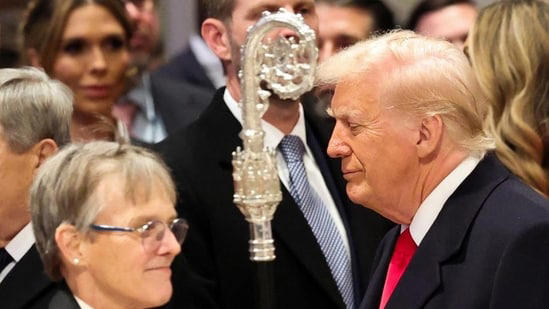
Later that day, in an interview with CNN, Budde said she wanted to remind everyone of the people “who are frightened in our country … They are our fellow human beings who have been portrayed in the harshest of lights. I wanted to counter as gently as I could with a reminder of their humanity and place in our wider community. I wanted to say there is room for mercy and a broader compassion.”
The Republican Mike Collins stated on social media: “The person giving this sermon should be added to the deportation list“. Trump was also unimpressed. In a social media post, Trump wrote:
“The so-called Bishop who spoke at the National Prayer Service on Tuesday morning was a Radical Left hard line Trump hater. She brought her church into the World of polictics in a very ungracious way. She was nasty in tone, and not compelling or smart. She failed to mention the large number of illegal migrants that came into our Country and killed people. Many were deposited from jails and mental institutions. It is a giant crime wave that is taking place in the USA. Apart from her inappropriate statements, the service was a very boring and uninspiring one. She is not very good at her job! She and her church owe the public an apology!”
Why do I think that the bishop had good reason to speak out? Within hours of his inauguration, Trump signed executive orders undoing much of President Biden’s legacy. They included:
- the initiative towards mass deportation of migrants;
- a ban on immigration raids in schools, churches, hospitals, relief centres, and “places where children gather”;
- the initiative that children born in the US without a parent who is a lawful resident or US citizen are no longer automatically extended US citizenship;
- the rolling back of the US climate commitments;
- the order to start drilling for oil in the Arctic and offshore;
- the declaration that his administration would recognise only male and female sexes;
- the initiative towards leaving the WHO;
- a pardon for the 1500 criminals who stormed the US Capitol in January 2021, some serving sentences as long as 18 years for violence and assault.
Pope Francis has described the plans for deportations as a “disgrace”. I would go further and add that Trump is a disgraceful, grave danger to the entire world.
A standardized, synergistic combination of Punica granatum fruit rind and Theobroma cacao seed extracts (Pomegranate-cocoa extract LN18178) has been reported to increase serum testosterone levels in young and aging males.
This randomized, double-blind, placebo-controlled study assessed the efficacy of LN18178 on the sexual function of aging male volunteers (age: 40-70 years; serum total testosterone: ≥ 300 ng/dL). The subjects with mild to moderate erectile dysfunction [5-item version of the International Index of Erectile Function (IIEF-5) scores 17-25] and low sexual desire (score < 3 on items 11 and 12 of IIEF) participated in this investigation. 120 men were randomly allocated into either the LN18178 or placebo group; they took either a 400 mg of LN18178 or a matched placebo capsule daily with breakfast for 84 days.
Post-trial, the LN18178-supplemented participants reported significant (P < 0.05) improvements in total and domain scores of the Derogatis Interview for Sexual Functioning-Self Reporting Male (DISF-SR-M) questionnaire, as well as substantial improvements in IIEF-5 (International Index of Erectile Function-5) and erection hardness scores (EHS). Comparative analysis also revealed significant improvements in the multi-dimensional fatigue inventory (MFI) and general health survey (GHS) scores. LN18178 supplementation substantially (P < 0.05) increased the six-minute walk distance and hand-grip strength compared to placebo. The participants’ hemato-biochemical parameters, urinalysis, and vitals were within the normal range.
The authors concluded that LN18178 enhances sexual function, libido and improves psychological well-being, as well as neuromotor function and general well-being in aging males. LN18178 supplementation is safe and well tolerated by the participants.
This reads as though we have here a herbal Viagra!
Yet, I don’t quite buy it.
The more I studied the paper, the stronger became the whiff of ‘too good to be true’. My suspicion was not reduced when I found a similar study of the same herbal mixture concluding: LN18178 supplementation reduced AMS scores and improved sexual performance. Also, LN18178 groups exhibited superior muscular strength and reduction in perceived stress. Next I came across another trial; it concluded that LN18178 is a safe and tolerable herbal blend; it increases testosterone level and increases muscle strength and MUAC in young, healthy males.
These studies all had the same whiff about them; they were seemingly well-done but somehow they did not ring true.
Then I saw that all of these trials are sponsored:
The authors thank Laila Nutraceuticals, Vijayawada, Andhra Pradesh, India, for providing the financial support to conduct the research.
And finally, I realized that the mixture is heavily markeded as an expensive dietary supplement!
Pehaps I am unduely suspicious but I do feel that caution is indicated.
So, before I recommend anyone to buy the supplement, I advise to wait until we have an independent replication.
Trump’s inauguration yesterday and his immediate actions thereafter were frightening. One of the first things he did was to withdraw from the World Health Organization (WHO). He signed an executive action in the Oval Office to the process for terminating US membership:
“World Health ripped us off,” Trump said to reporters as he signed. His frustration with the WHO goes back to the height of the COVID era when he repeatedly criticized the WHO. At that point in 2001, he had already initiated a withdrawal. Yet, he failed to complete the process under US law governing the timeline for withdrawal and funding obligations to the agency.
The loss for the WHO would unquestionably be significant. The US is the WHO’s biggest donor and contributes about one fifth of the WHO’s total budget. But the withdrawal would also be a big loss for the US. The WHO plays a pivotal role in monitoring global health threats. Without a seat at the WHO’s international table, the US risks losing access to valuable data on emerging disease threats.
Trump’s order stated that the US was withdrawing “due to the organization’s mishandling of the COVID-19 pandemic that arose out of Wuhan, China, and other global health crises, its failure to adopt urgently needed reforms, and its inability to demonstrate independence from the inappropriate political influence of WHO member states.”
“This is the most cataclysmic decision,” said Lawrence Gostin, professor of global health law at Georgetown University and director of WHO’s Center on Global Health Law. “[This is] a grave wound to American national interests and our national security. This will really leave our agencies – like the CDC [Centers for Disease Control and Prevention] and NIH [National Institutes of Health] flying blind.”
The process of withdrawing from the WHO will last one year. This means that there is a slim chance for Trump’s advisors to persuade him to come to his senses. One can only hope.