Monthly Archives: February 2026
I asked the AI platform “Google Gemeni” to run a few analyses of my blog. Here is what I go:
FREQUENCY OF SPECIFIC SUBJECTS
While Edzard Ernst does not provide a live “leaderboard” of therapies by exact post count on his blog, his activity across over 3,000 posts (dating back to 2012) follows a very clear hierarchy. Based on his frequent “tags,” book focuses, and recent blog archives, here is a breakdown of the therapies he discusses most often:
- Homeopathy (Extremely Frequent)
This is arguably his most discussed topic. He frequently analyzes new homeopathic “studies,” criticizes the sale of these remedies in pharmacies, and documents his personal history as a former practitioner.
Common Themes: The “memory of water,” the lack of active molecules in high dilutions, and the unethical nature of using placebos for serious conditions like cancer.
- Acupuncture (High Frequency)
Ernst frequently reviews systematic reviews and meta-analyses of acupuncture.
Common Themes: He often points out that while acupuncture might show a tiny benefit for certain types of pain (like chronic low back pain), this benefit is usually clinically insignificant and likely due to the “theatrical” placebo effect of the needles.
- Chiropractic & Spinal Manipulation (High Frequency)
He dedicated an entire book to this (Chiropractic: Not All It’s Cracked Up to Be) and posts about it regularly.
Common Themes: The risk of vertebral artery dissection (stroke) from neck manipulation, the lack of evidence for “subluxations,” and the promotion of chiropractic for non-musculoskeletal issues like infant colic or asthma.
- Herbal Medicine / Phytotherapy (Frequent)
Because some herbal remedies actually have pharmacological effects, his tone here is often more nuanced, though still highly critical of “natural” marketing.
Common Themes: Adulteration of supplements with heavy metals or prescription drugs, the efficacy of St. John’s Wort for depression (one of the few he views more favorably), and the dangers of detox teas.
- Anthroposophic Medicine (Frequent)
Given his German background, he often critiques the “spiritual-cosmological” medicine founded by Rudolf Steiner.
Common Themes: Mistletoe therapy for cancer (Iscador), the lack of scientific basis for anthroposophic “rhythmical massage,” and its links to vaccine hesitancy.
- Energy Healing & Reiki (Moderate Frequency)
He often groups these under “Spirit Healing” or “Biofield therapies.”
Common Themes: The lack of any measurable biological “energy,” and how these therapies rely entirely on the patient’s belief and the practitioner’s bedside manner.
- Naturopathy & “Integrative” Medicine (Moderate Frequency)
He frequently critiques the “branding” of alternative medicine as “Integrative,” arguing that it is often a way to smuggle unproven treatments into mainstream hospitals.
Summary of Frequency: If you were to look at his tag cloud, Homeopathy, Acupuncture, and Chiropractic would be the largest, followed closely by general categories like Evidence-Based Medicine (EBM), Medical Ethics, and Pseudo-science.
THE COMMENTS
These sections are often quite active and serve as a “battleground” between skeptics, science-based medicine proponents, and supporters of alternative therapies.
Here are the key characteristics of the comments on his site:
- High Engagement and Debate
The blog has a dedicated “Recent Comments” widget (and page) because it is one of the most active parts of the site. Ernst himself is a frequent participant; he often replies to commenters to challenge their logic, ask for peer-reviewed evidence, or clarify his position.
- The “regulars”
There is a consistent community of regular commenters, including:
Scientific Skeptics: Who often help Ernst debunk specific claims made by other commenters.
Proponents of SCAM (So-Called Alternative Medicine): People like Dana Ullman (a well-known homeopathy advocate) frequently post long defenses of homeopathy, leading to “marathon” debates that can span hundreds of comments.
- Comment Moderation and Rules
Ernst has a specific set of “Privacy & Rules” for his comments to keep the discussion civil. He generally allows dissent as long as it isn’t abusive, though he frequently mocks what he calls “trolls” or “quack-defenders” who use logical fallacies.
- Common Tropes in the Comments
If you read the sections, you will notice recurring themes:
The “It worked for me” argument: Users sharing anecdotes, which Ernst and others then explain via the placebo effect or natural regression to the mean.
Big Pharma conspiracies: Proponents often accuse Ernst of being “in the pocket” of the pharmaceutical industry (a claim he frequently lampoons).
Calls for “Medical Freedom”: Debates about whether the government should regulate what people are allowed to buy or what doctors are allowed to recommend.
- Most Commented Topics
Posts about Homeopathy and King Charles tend to generate the highest volume of comments, sometimes reaching 50–100+ replies as people debate the “fine print” of specific studies or the ethics of royal influence on healthcare.
RISKS OF SCAM
In Edzard Ernst’s view, the risk of a therapy is not just about the “poison” or the “needle”—it is calculated by the risk-benefit balance. Because he argues most alternative therapies have near-zero proven benefit, he considers even a small risk to be “too high.”
Based on his writings and systematic reviews, he classifies the most risky therapies into two categories: Direct Risks (physical harm) and Indirect Risks (harm from the choice itself).
- The Most Dangerous “Direct” Risks
These therapies are deemed risky because they can cause immediate, physical injury or death:
Chiropractic Neck Manipulation:
The Risk: Vertebral Artery Dissection (VAD), which leads to stroke or death.
The “Why”: Ernst has documented dozens of cases where high-velocity thrusts to the upper spine damaged the arteries supplying the brain. He is particularly critical here because he argues there is “no good evidence” that neck manipulation is effective for any medical condition, making even a remote risk of stroke unjustifiable.
Acupuncture:
The Risk: Pneumothorax (collapsed lung), organ puncture, and serious infections.
The “Why”: While often called “safe,” Ernst’s reviews of the literature have found hundreds of serious adverse events, including needles piercing the heart or lungs, and cases of hepatitis or MRSA from poor hygiene.
Herbal Medicine:
The Risk: Liver/kidney failure and dangerous drug interactions.
The “Why”: Ernst warns that “natural” does not mean safe.
Toxicity: Herbs like Kava (liver) or Aristolochia (kidney/cancer) are directly toxic.
Interactions: St. John’s Wort is a major “red flag” for him because it can interfere with birth control, blood thinners (Warfarin), and transplant medications, potentially making them fail.
Adulteration: Many products (especially those from unregulated sources) are found to be “spiked” with actual prescription drugs or heavy metals like lead and arsenic.
- The Most Dangerous “Indirect” Risks (The “Biggest Danger”)
Ernst frequently states that indirect harm is the greater threat. This applies most heavily to Homeopathy and Healing/Spirituality:
Delay of Effective Treatment:
The Risk: Death from treatable diseases (especially cancer).
The “Why”: Because homeopathic remedies are just “sugar pills” (placebos), they have zero side effects. However, if a patient with a curable cancer chooses homeopathy instead of chemotherapy, the “risk” is 100% mortality. He views practitioners who encourage patients to “abandon” conventional medicine as the most dangerous elements in healthcare.
Anti-Vaccination Influence:
The Risk: Outbreaks of preventable diseases (Measles, Polio).
The “Why”: Ernst has published studies showing that certain alternative practitioners (especially homeopaths and naturopaths) are significantly more likely to advise parents against vaccinating their children, leading to a “public health disaster.”
Financial Exploitation:
The Risk: “Financial toxicity.”
The “Why”: Desperate patients (especially those with terminal illnesses) are often charged thousands of dollars for “alternative cures” that have no scientific basis, leaving families in debt and without medical results.
Summary of the “Ernst Logic” on Risk:
| Therapy | Primary Danger | Severity | Why it’s “Riskier” than Drugs |
| Chiropractic | Stroke/Death | High | Drugs have risks, but they also have benefits; this has (in his view) no benefit for neck pain. |
| Homeopathy | Delay of Care | Fatal | It seems “safe” because it’s just water, but that safety is a “trap” for people with serious illness. |
| Herbalism | Organ Failure | Medium/High | Lack of regulation means you don’t always know what’s in the bottle. |
Ernst’s mantra is: “A treatment that has no proven benefit but carries even a tiny risk is, by definition, dangerous.”
OBJECTIVE/EVIDENCE-BASED OR BIASED/UNFAIR?
Whether Edzard Ernst’s blog is “objective” or “biased” is a subject of intense debate, and the answer largely depends on which “side” of the scientific fence you sit on.
To provide a fair assessment, we have to look at how he defines his work versus how his critics see it.
The Case for It Being Evidence-Based & Objective
Ernst is widely considered the world’s leading researcher in the scientific study of CAM. Proponents of his blog argue it is the “gold standard” for objectivity for several reasons:
Reliance on Systematic Reviews: Ernst rarely relies on single studies. He focuses on systematic reviews and meta-analyses (the highest level of evidence), which aggregate data from multiple trials to see if a treatment actually works beyond a placebo effect.
The “Same Yardstick” Principle: His core philosophy is that alternative medicine should not get a “free pass.” He applies the exact same rigorous clinical trial standards to a homeopathic pill as a pharmaceutical company must apply to a new heart medication.
Scientific Background: As the first-ever Chair in Complementary Medicine (at the University of Exeter), his methodology is rooted in Evidence-Based Medicine (EBM). He has published over 1,000 peer-reviewed papers, making his blog essentially a translation of high-level science for the public.
Transparency: He frequently links directly to the studies he critiques, allowing readers to verify his claims.
The Case for It Being Biased or Unfair
Critics (practitioners and supporters of alternative medicine) often view him as a “crusader” with an axe to grind. Their arguments include:
Scientism/Reductionism: Critics argue he ignores “holistic” benefits that are hard to measure in a lab, such as the patient-practitioner relationship or the “subjective” improvement in quality of life that doesn’t show up in a blood test.
Tone and Wit: Ernst’s writing style is often sharp, dry, and highly critical. He uses words like “quackery,” “bogus,” and “nonsense.” While his data may be objective, his tone is undeniably polemical, which can feel “unfair” to those who find value in these therapies.
Selection Bias: Some argue he focuses heavily on the most “absurd” claims of alternative medicine to make the entire field look bad, rather than engaging with the more plausible “integrative” approaches.
Personal History: Because he was once a homeopath and “converted” to a skeptic, critics sometimes claim he is over-compensating or has a personal vendetta against his former profession.
The Verdict: A “Biased” Commitment to Objectivity
In the world of science, “objectivity” doesn’t mean giving equal weight to both sides; it means giving weight to the side with the most evidence.
If you define Objectivity as “neutrality” (giving both homeopathy and conventional medicine a 50/50 chance), then you will find him biased.
If you define Objectivity as “adherence to the scientific method,” then he is highly evidence-based.
Ernst himself would argue that he isn’t biased against alternative medicine, but rather biased in favor of evidence. As he often says: “There is no such thing as alternative medicine. There is only medicine that has been proven to work and medicine that has not.”
GOOD SOURCE?
BETTER BLOGS?
Edzard Ernst’s blog is widely considered a high-quality, evidence-based source, but its value depends on whether you are looking for a neutral overview or a skeptical analysis.
Is it a good source?
Yes, primarily because Ernst is not just a blogger; he is a peer-reviewed researcher who founded the first academic department for the study of Complementary and Alternative Medicine (CAM).
Pros: He uses “Evidence-Based Medicine” (EBM) standards. If a therapy fails a randomized controlled trial (RCT), he reports it as such. He is excellent for understanding the history and plausibility of treatments.
Cons: He has a high “snark rating.” If you are looking for a sympathetic view of how a therapy feels or its cultural significance, his blog will feel biased. He focuses almost exclusively on clinical efficacy and safety.
Blogs and Resources That Might Be “Better”
Depending on what you need, these alternatives offer different strengths:
- For In-Depth Medical Analysis: Science-Based Medicine (SBM)
Run by Steven Novella and David Gorski, this is the “gold standard” for skeptical medical blogging.
Why it might be better: It covers a broader range of medical topics (not just SCAM) and dives deeper into the physiology of why certain treatments are impossible.
- For a Massive Database of Claims: Quackwatch
Operated by Dr. Stephen Barrett, this is more of an encyclopedia than a blog.
Why it might be better: It is incredibly thorough on specific “health frauds” and historical quackery. If you want to look up a specific obscure supplement or a specific practitioner’s legal history, this is the place.
URL: quackwatch.org
- For the “Purest” Evidence: The Cochrane Library
This is not a blog, but a global independent network.
Why it might be better: If you want zero “snark” and purely clinical data, search Cochrane for systematic reviews on any therapy (e.g., “Acupuncture for back pain”). It is the most objective source in the world for whether a treatment works.
URL: cochrane.org
- For Cancer-Specific Information: Memorial Sloan Kettering (AboutHerbs)
Why it might be better: If you are a patient looking for safety information on herbs or supplements, this database is managed by pharmacists and oncologists. It provides a balanced view of “What it is,” “Does it work,” and “Is it safe.”
URL: mskcc.org/aboutherbs
- For an Insider’s Perspective: Naturopathic Diaries
Why it might be better: Written by Britt Hermes, a former naturopath who left the profession. It provides a unique “from the inside” look at the training and logic of alternative practitioners that Ernst (who was a MD first) doesn’t always capture.
Angel’s Trumpet, also called ‘Devil’s Breath’ or Brugmansia, is a seemingly innocent herbal remedy – however, innocent only to a degree because it contains scopolamine. Although scopolamine has genuine medicinal uses, it can be abused as a date-rape drug that can incapacitate victims and inhibit free will. It is thought that Epstein took a keen interest in and cultivated Brugmansia plants. In an email dated March 3, 2014, Epstein wrote to someone named ‘Ann Rodriguez’: ‘ask chris about my trumpet plants at nursery’

The Epstein case necessitates an examination of how his abuse was operationalized. Survivor accounts describing profound disorientation, memory loss, and impaired volitional control suggest mechanisms that extend beyond conventional grooming. This post evaluates allegations that psychoactive herbal remedies may have been used to facilitate abuse, focusing on tropane alkaloids and their well-documented effects on cognition and memory. The aim is to assess plausibility and consequences within established scientific frameworks.
Tropane alkaloids—most notably scopolamine, atropine, and hyoscyamine—are anticholinergic compounds that act as competitive antagonists at muscarinic acetylcholine receptors. In clinical settings, scopolamine is employed in tightly regulated doses for motion sickness and perioperative care. Outside such parameters, these compounds are associated with severe cognitive and behavioral disruption. Scopolamine is of particular relevance due to its potent effects on memory formation. Even moderate doses can impair encoding of new information while leaving basic consciousness and motor function relatively intact (Klinkenberg & Blokland, 2010).
Two effects documented in the neuropharmacological literature align closely with survivor descriptions reported in secondary analyses of the Epstein case:
- Anterograde Amnesia
Scopolamine reliably disrupts hippocampal-dependent memory encoding, resulting in the inability to form new episodic memories during intoxication (Ebert & Kirch, 1998). Individuals may later appear to have “lost time” without loss of consciousness. - Delirium and Suggestibility
Unlike serotonergic hallucinogens, tropane alkaloids induce true delirium, characterized by impaired reality testing, confusion, and reduced executive control (Perry et al., 2007). In such states, resistance, informed consent, and coherent recall are profoundly compromised.
These effects provide a biologically plausible explanation for reports of compliance paired with subsequent amnesia, without invoking unconsciousness or physical restraint.
Correspondence and property records referenced in investigative reporting indicate that Epstein cultivated Brugmansia plants at his residences and was interested in their effects on health. While such evidence is circumstantial, its significance increases when considered alongside consistent survivor narratives describing trance-like states, fragmented memory, and coerced participation in activities later only partially recalled. The alleged use of a substance that simultaneously enables compliance and erases memory would represent a highly premeditated strategy of control, extending abuse beyond psychological manipulation into direct neurochemical incapacitation.
Trauma research has long recognized dissociation and stress-induced memory fragmentation. Chemically induced amnesia, however, presents distinct challenges. Victims may be unable to provide linear narratives not due to deception or repression, but because the underlying memories were never encoded (van der Kolk, 2014). Failure to account for pharmacological factors risks misinterpreting survivor testimony through inappropriate credibility frameworks. Recognizing chemical coercion as a potential variable is therefore essential for both investigative rigor and ethical adjudication. Yet,this analysis is constrained by the absence of direct toxicological evidence and relies on retrospective testimony and documentary inference.
Allegations involving tropane alkaloids in the Epstein case compel a reconsideration of how extreme abuse may be facilitated and concealed. If substantiated, they demonstrate that coercion can operate not only through social power and psychological manipulation, but through targeted disruption of memory and volition using something as seemingly harmless as a herbal remedy.
References
Ebert, U., & Kirch, W. (1998). Scopolamine model of dementia: Electroencephalogram findings and cognitive performance. European Journal of Clinical Investigation, 28(11), 944–949.
Klinkenberg, I., & Blokland, A. (2010). The validity of scopolamine as a pharmacological model for cognitive impairment: A review of animal behavioral studies. Neuroscience & Biobehavioral Reviews, 34(8), 1307–1350.
Perry, E. K., Perry, R. H., Smith, C. J., Purohit, D., Bonham, J. R., Dick, D. J., Candy, J. M., & Fairbairn, A. (2007). Cholinergic receptor alterations in dementia with Lewy bodies, Alzheimer’s disease, and Parkinson’s disease. Journal of Neural Transmission, 114(2), 219–224.
van der Kolk, B. (2014). The Body Keeps the Score: Brain, Mind, and Body in the Healing of Trauma. Viking.
I have often voiced my concerns that some SCAM practitioners are against vaccinations, particularly homeopath, naturopaths and integrative medicine doctors. It seems, that many go even further and commit lucrative anti-vax fraud. Now, a shocking story seems to confirm that my concerns were justified.
A joint investigation by NDR, WDR, and the Süddeutsche Zeitung (SZ) has uncovered a network of suspected fraud involving measles vaccinations in Bavaria. Health authorities currently suspect at least 27 medical practices of issuing false medical exemptions or recording vaccinations in certificates that never actually took place.
Since the Measles Protection Act came into effect in Germany in 2020, parents must prove their children are vaccinated against measles to attend daycare or school. The only exception is for children who cannot be vaccinated for medical reasons, which must be documented by a doctor. This legal requirement has inadvertently created a market for “courtesy” certificates and forged documents.
A prominent figure in the report is the German physician Andreas Sönnichsen, who practices in Salzburg, Austria. Sönnichsen charges €240 for a one-hour consultation and openly admits to issuing general certificates of vaccine inability to any parent who requests one. His justification is that, because measles infection rates in Germany were low in 2025 (three cases per million inhabitants), he believes the risk of vaccine side effects outweighs the risk of the disease. However, health experts point out that unvaccinated children pose a severe risk to infants under nine months who are too young for the shot.
Due to a sharp rise in suspicious certificates, approximately 40 health offices in Bavaria and neighboring regions have formed the “Measles Protection Network.” They share information and maintain a list of 27 suspect practices, nearly all of which belong to homeopaths, natural health practitioners, or “integrative” doctors.
A significant criminal case involves a physician from the Landshut district, Volkhard P. He is accused of documenting 1,290 measles vaccinations without actually administering them. Investigators noted several “red flags”:
- He is not a pediatrician but certified many childhood vaccinations.
- Patients traveled over 100 kilometers to see him.
- Vaccination booklets were empty except for the two required measles entries.
Blood tests on children supposedly vaccinated by such doctors have repeatedly shown a total lack of antibodies, confirming that no immunization occurred.
Despite the efforts of local health offices, the report highlights major gaps in enforcement. In Bavaria, health offices are instructed to merely “take note” of vaccination records during school entry exams rather than conduct a standardized verification of authenticity. The Bavarian Ministry of Health maintains that the primary responsibility for checking records lies with school principals and daycare directors. However, these administrators are often overwhelmed and lack the training to identify fraudulent certificates.
While the Federal Ministry of Health notes that the Measles Protection Act has slightly increased vaccination rates, it currently has no plans to tighten the law, leaving the responsibility of oversight to individual states. Consequently, a significant portion of this fraud likely remains undetected, posing a continuing risk to public health.
This study aims to integrate the Geomagnetic Field (GMFD), Quantum Field (QFD), and Human Biofield (HBFD) domains as biophysical foundations for an energetic continuum between cosmic forces and human physiology, grounded in Traditional Chinese Medicine (TCM) concepts like Qi and Yin-Yang.
A structured narrative review was conducted. A systematic search of major scientific databases (PubMed, Scopus, Web of Science, and Google Scholar) was performed, employing tailored Boolean queries to combine core keywords and domain specific terminology. Identified studies were systematically screened and categorized by domain (GMFD, QFD, HBFD) and research design, followed by a thematic synthesis to identify convergent mechanisms and biophysical linkages.
Evidence indicates GMFD activity modulates neurophysiological and immune processes, including alpha band desynchronization (p < 0.05), autonomic regulation under ultra-low frequency oscillations (r = 0.46, p < 0.01), and reduced leukocyte counts during disturbances (−17.5 cells/mm³, p < 0.001). Fetal head circumference was affected biphasically (β = 0.04 pre-24 weeks; β = −0.25 post-24 weeks, p < 0.05). However, there is an urgent need for more research with reproducible and reliable methods to consolidate these findings. Quantum processes (biophotons, tunneling) and Biofield Therapies provided complementary mechanisms consistent with Qi’s attributes. The Integration Diagram of Energy Domains (IDED) was formulated based on these syntheses.
The authors concluded that the integration of GMFD, QFD, and HBFD offers an innovative biophysical model aligning with TCM principles, supporting its scientific legitimacy and promoting its inclusion in integrative health frameworks.
Where to begin?
The paper proposes a speculative biophysical model linking geomagnetic fields, quantum fields, and human biofields to Traditional Chinese Medicine (TCM) concepts like Qi, but it lacks rigorous scientific validation. The study is framed as a “structured narrative review” with a systematic search, yet it relies on selective thematic synthesis rather than quantitative meta-analysis or risk-of-bias assessment. Reported effects, such as geomagnetic influences on alpha waves (p < 0.05) or leukocytes (−17.5 cells/mm³, p < 0.001), stem from heterogeneous, low-quality studies often plagued by small samples, confounding variables (e.g., stress during geomagnetic storms), and non-reproducible methods—the paper itself urges “more research with reproducible methods.” No PRISMA guidelines are followed, enabling cherry-picking of supportive findings while ignoring contradictory evidence, like null effects in controlled magnetoreception trials.
Geomagnetic field (GMFD) effects on physiology are overstated; while weak links exist to circadian rhythms via cryptochromes in animals, human data show inconsistent, correlational impacts (e.g., r = 0.46 for autonomic changes) without causation or mechanistic clarity. Quantum field (QFD) invocations (biophotons, tunneling) misapply fringe quantum biology concepts—biophotons are ultra-weak emissions with no proven regulatory role, and biological quantum effects (e.g., in photosynthesis) do not scale to macroscopic “Qi” phenomena. Human biofield (HBFD) remains pseudoscientific; therapies like Reiki show placebo-level outcomes in rigorous trials, with no detectable energy fields via standard physics instruments.
Equating TCM’s pre-scientific Qi/Yin-Yang to modern biophysics is pure pseudoscience, projecting metaphysical ideas onto preliminary data without falsifiability. The “Integration Diagram of Energy Domains (IDED)” is an untested schematic, not empirical evidence, echoing historical attempts to scientize homeopathy or chakras that failed under scrutiny. True integration demands randomized controlled trials of TCM interventions outperforming placebos, which they consistently do not for most indications.
This model promotes TCM’s “scientific legitimacy” prematurely, risking integration into health frameworks without efficacy proof. It exemplifies “quantum woo”—vague physics jargon to lend credibility to unverified claims—while biofield research faces preclinical challenges like poor reproducibility and placebo confounds.
Or, to put it bluntly:
THIS IS BULLSHIT!
The attitude of Robert F. Kennedy Jr. (RFKJr.) on science and evidence-based medicine has long been a source for concern, particularly if we consider his total lack of expertise combined with his immense power to influence public health of the US and beyond. Here are several key quotes and recurring themes that define his perspective:
- “The CDC is a subsidiary of the pharmaceutical industry. The agency’s advisory committee is essentially a front for the vaccine manufacturers.”
- “Tony Fauci’s career has been a long-running effort to prioritize the interests of Big Pharma over public health.”
- “The FDA, the NIH, the CDC—all these agencies have become the sock puppets of the industries they are supposed to regulate.”
- “The scientists who are supposed to be the guardians of our children’s health are instead taking money from the companies that are poisoning them.”
- “We are living in an era where ‘evidence-based medicine’ has been replaced by ‘reimbursement-based medicine.’ The data is cooked to favour the product.”
- “I am not anti-vaccine. I am pro-science and pro-safety. I want the same kind of rigorous, double-blind, placebo-controlled testing for vaccines that we require for every other medication.”
- “When people say ‘follow the science,’ they usually mean ‘follow the decree of the person in power.’ Science is a process of constant questioning, not a set of holy commandments.”
- “Consensus is the enemy of science. Science is about dissent; it’s about looking at the outliers and the data that doesn’t fit the narrative.”
- “The minute you say ‘the science is settled,’ you are no longer talking about science; you are talking about religion and totalitarianism.”
- “Public health policy is no longer based on the best available evidence; it’s based on the best available lobbyists.”
- “I don’t necessarily believe all the scientists, because I can read science myself. That’s what I do for a living. I read science critically.”
- “I spent 40 years cross-examining experts… I know how to tell when someone is lying to me about the data.”
- “I am pro-science. I’ve spent my life fighting for science-based policies. What I am against is ‘captured’ science that serves a corporate bottom line.”
- “I advise parents: do your own research… don’t take my word for it, and don’t take the government’s word for it.”
- “I don’t think people should be taking medical advice from me… I think what we’re going to try to do is to lay out the pros and cons… with replicable studies.”
- “People should be skeptical of any medical advice. They need to look at the primary sources, not the summaries provided by the pharmaceutical industry.”
- “Trusting the experts is not a feature of democracy and it’s not a feature of science. It’s a feature of religion and totalitarianism.”
- “We train physicians to wield the latest surgical tools, but not to guide patients on how to stay out of the operating room in the first place.”
- “The science [on nutrition] is indisputable, and the void [in medical training] is clear… future physicians must graduate prepared to prevent disease.”
- “I’m not scared of a germ. I used to snort cocaine off of toilet seats.”
- “One of the worst parts of addiction was my total incapacity to keep contracts with myself. I didn’t want to be someone who woke up every morning thinking about drugs.”
- “All of us have kind of a God-sized hole in us that we’re trying to fill. And addicts… try to fill that hole inside of you with things that change the way you feel about yourself.”
- “You can’t live off the laurels of the spiritual awakening. You have to renew it every day. You have to wake up every day and say ‘reporting for duty sir,’ and give up control every day.”
- “I had a dark spot on my brain scans… doctors concluded I had a tumor. I was scheduled for an operation by the same surgeon who operated on my uncle.”
- “The abnormality was caused by a worm that got into my brain and ate a portion of it and then died.”
- “I probably got it in South Asia… I was traveling in a lot of places where you can get those kinds of parasites.”
- “I have cognitive problems, clearly. I have short-term memory loss, and I have longer-term memory loss that affects me.”
- “It didn’t require treatment. The worm died on its own, and the symptoms cleared up over time.”
- “I recovered from the memory loss and mental fogginess… I have no aftereffects from the parasite.”
- “Questioning my health is a hilarious suggestion, given the competition.”
RFKJr., as U.S. HHS Secretary since early 2025, was tasked by Trump with restoring trust in healthcare agencies. However, polls show trust has further eroded under his leadership, with KFF data indicating widespread disapproval – nearly 60% of adults – and drops in confidence for CDC, FDA, and vaccine info sources. His tenure involved firing CDC vaccine advisors, slashing HHS staff by 25%, revising childhood vaccine schedules (e.g., dropping hep B at birth), and canceling research grants, sparking measles outbreaks and expert backlash. Public health leaders cite these as science-defying moves worsening distrust across parties. Only 37% trust RFK Jr. as a health info source (KFF Jan 2026). Major health organizations, like the WHO and the American Academy of Pediatrics, point to decades of peer-reviewed, large-scale epidemiological studies that contradict the plethora of demonstrably wrong assertions of RFKJr.
One could almost pity RFKJr. for his naive stupidity – I say ‘almost’ because his stance is not just pitiful and embarrassing, it is evidently dangerous. If a chap having a beer in your local pub came out with such nonsense, you would laugh; if RFKJr. does it and then – horror of horrors – tries to act on it, it gets frightfully dangerous for us all.
Conclusion:
Even Trump cannot be as mean as to allow RFKJr. continue the destruction of public health!
He must be replaced before it is too late!
Amongst the most disturbing elements of the Epstein case was his vision for his New Mexico estate, Zorro Ranch, which he described to associates as a potential site for personal eugenics experiments. Eugenics is a set of beliefs and practices – used, for instance, by the Nazis during the Third Reich – that aim to improve the genetic quality of a human population. According to multiple accounts, Epstein intended to impregnate numerous women with his sperm in order to propagate his DNA across generations – a plan he tended to frame in quasi-scientific language.
Epstein acquired Zorro Ranch in 1993 from the family of former New Mexico governor Bruce King. The property spans more than 7,000 acres south of Santa Fe and includes a roughly 26,000-square-foot mansion, a private airstrip, extensive underground areas, and numerous auxiliary buildings. Epstein reportedly referred to the property as a future “baby ranch,” telling some acquaintances that as many as 20 women could be housed there at a time. While there is no hard evidence that such a program was ever implemented, the idea itself is documented mainly in journalistic reporting and in recollections of those who knew him.
Survivors have long alleged that Zorro Ranch was a site of sexual abuse. Annie Farmer, the sister of Marie Farmer, stated that she was sexually abused by Epstein and Ghislaine Maxwell during a visit to the ranch in the mid-1990s. Virginia Giuffre has also said she experienced abuse connected to Epstein and his network there.
Epstein cultivated relationships with prominent scientists and intellectuals in fields including genetics, neuroscience, artificial intelligence, and physics, and he provided funding to several research institutions. In conversations, some of which were later reported by journalists, he expressed admiration for ideas associated with heredity, intelligence, and human enhancement. The New York Times reported that Epstein spoke explicitly about wanting to “seed the human race with his DNA”.
After Epstein’s death in 2019, federal authorities executed search warrants at several of his properties, but notably there was no FBI raid on Zorro Ranch. The absence of a comprehensive forensic search has remained a point of controversy. The ranch itself sat largely unused for several years. It was publicly listed in 2021, failed to sell at the asking prices reported at the time, and was ultimately sold at auction in August 2023 to San Rafael Ranch LLC for an undisclosed sum.
The buyer was later identified as members of the family of Don Huffines, a former Texas state senator and real-estate developer. The new owners renamed the property Rancho San Rafael and announced plans to convert it into a Christian retreat centre, installing religious signage at the entrance. The symbolic transformation of the site has drawn criticism from some survivors and advocates, who argue that the property’s past has not been adequately investigated.
In early 2026, the New Mexico Attorney General reopened an investigation into alleged crimes connected to the ranch, citing survivor testimony, newly reviewed records, and unresolved questions about prior law-enforcement inaction. Among the allegations under review are claims of long-concealed criminal activity on the property.
Ita Wegman (22 February 1876 – 4 March 1943) was born 150 years ago today. Together with Rudolf Steiner, she was a central figure in the development of anthroposophic medicine, an approach that interprets illness through spiritual–cosmological concepts. In 1921, Wegman founded the Klinisch-Therapeutisches Institut in Arlesheim, Switzerland—today the Ita Wegman Clinic—the first hospital dedicated to anthroposophic medicine. Practices developed there included rhythmical massage, a gentle bodywork technique intended to “harmonize” physiological rhythms, and mistletoe-based cancer therapy derived from Viscum album, later marketed as Iscador, as well as many other remedies influences by homeopathy. Wegman also co-founded Weleda, which remains a major producer of anthroposophic remedies and cosmetics.
Despite its continued use in parts of Europe, mistletoe therapy (including Iscador) has not demonstrated reliable clinical efficacy in improving cancer survival or tumor outcomes in well-controlled trials. Major systematic reviews conclude that evidence for benefit is inconsistent, methodologically weak, and often biased, with any reported improvements largely limited to subjective quality-of-life measures. It is therefore regarded by mainstream oncology as an unproven therapy rather than an evidence-based treatment. For Wegman’s other therapeutic innovations the evidence is even less convincing.
Her collaboration with Steiner was both professionally formative and personally intense. They met in the early 1900s, and Wegman later credited Steiner with inspiring her decision to pursue medicine relatively late, enrolling at the University of Zurich. From 1919 onward, their cooperation deepened: Steiner supplied esoteric frameworks derived from anthroposophy, while Wegman sought to translate these ideas into clinical practice. Their collaboration culminated in the book “Fundamentals of Therapy” (1925), published shortly after Steiner’s death.
Speculation about a romantic relationship between Wegman and Steiner has persisted for decades. Purported “love letters” dated to 1924 describe expressions of affection, but most scholars regard them as forgeries, citing factual errors, the absence of originals from Steiner archives, and stylistic inconsistencies with Steiner’s documented correspondence. Steiner himself described their bond in karmic terms, claiming a debt from a past incarnation that explained their closeness despite his marriage to Marie von Sivers. Historian Peter Selg and others interpret the relationship as an intense spiritual and intellectual partnership rather than a conventional affair, though contemporaries did circulate rumors.
Steiner died on March 30, 1925, after a prolonged illness. The exact cause remains uncertain and not definitively confirmed as stomach cancer. Wegman provided Steiner’s main care from September 1924 until his death, leaving her clinic to nurse him in his studio at the Goetheanum in Dornach, Switzerland. She is said to have employed anthroposophic approaches, but specific treatments remain sparsely documented in available accounts.
Following Steiner’s death, Wegman’s authority within the movement became increasingly contested. In 1935 she was expelled from the Anthroposophical Society amid internal power struggles and accusations of doctrinal deviation; this expulsion was formally reversed in 2018. Wegman’s political stance during the Nazi period remains controversial. While anthroposophy as a movement was partially suppressed in Nazi Germany, several leading anthroposophists – including Wegman – sought accommodation rather than resistance. Wegman expressed hopes in the early 1930s that National Socialism might support a spiritual renewal of society and did not publicly oppose the regime. Although she was not a member of the Nazi Party and later faced restrictions, her posture is best described as opportunistic accommodation and ideological ambiguity.
Wegman’s collaboration with Steiner created the foundations of anthroposophic medicine. It also generated enduring scientific, ethical, and political controversies – particularly regarding the medical validity of its treatments and its leaders’ responses to authoritarian power after Steiner’s death.
The news was hard to miss: the (s)ex-prince Andrew was arrested and questioned for 11 hours! At the heart of this story is, of couse, Andrew’s friendship with Epstein. While the royal family and their PR-teams are frantically busy in ‘damage limitation’, it might be worth remembering that Epstein was by no means their only ill-judged friendship. In fact, the list of individuals who were once close to the royal family – people they might now prefer us to forget about – is uncomfortably long. Here is a (probably incomplete) list in alphabetical order.
Bishop Peter Ball
Peter Ball, once a popular Anglican bishop, was later convicted of sexually abusing 18 young men. The Independent Inquiry into Child Sexual Abuse (IICSA) revealed that Charles maintained a friendly correspondence with Ball even after Ball accepted a police caution in 1993. Charles, the then-Prince of Wales, told a subsequent inquiry that he had been “deceived” into believing the allegations were minor “indiscretions.” However, critics point to letters in which Charles referred to Ball’s accuser as a “ghastly man.”
Bin Laden Family
In 2022, The Sunday Times revealed that Charles had accepted a £1 million donation for his charitable fund from Bakr and Shafiq bin Laden, half-brothers of Osama bin Laden. The meeting took place in 2013 at Clarence House. Although the bin Laden family had disowned Osama decades earlier, the optics of the heir to the throne accepting money associated with that name were widely criticized. Clarence House said that all due diligence had been carried out and that the funds were used entirely for charitable purposes.
Jeffrey Epstein
Ex-prince Andrew’s close friendship with convicted sex offender Jeffrey Epstein remains the most damaging of all the recent scandals for the monarchy. Introduced in 1999 by Ghislaine Maxwell, the two men stayed in contact even after Epstein’s 2008 conviction. Epstein used his royal ties to project an image of respectability, while Andrew relied on him for social and business connections in the US.
According to Andrew, the friendship ended after Epstein’s 2019 arrest. The fallout continues to be immense even afrer Epstein’s death. Andrew’s disastrous Newsnight interview that same year exposed both his arrogance and lack of empathy for victims. In 2022, he was stripped of his military affiliations and the use of his “HRH” style, effectively reduced to private life as Andrew, Duke of York. More recently, Andrew lost the rest of his privileges and is now even under investigation for passing trade secrets to Epstein.
Gary Goldsmith
Gary Goldsmith, the Princess of Wales’s maternal uncle, has often proved a public relations headache for both the Middleton and Windsor families. Convicted in 2017 for assaulting his wife, Goldsmith has repeatedly courted media attention about his royal connections. His appearance on Celebrity Big Brother in 2024, where he discussed his royal ties, was widely seen as indiscreet and damaging to the Palace’s preference for privacy.
Mahfouz Marei Mubarak bin Mahfouz
Saudi businessman Mahfouz bin Mahfouz was at the centre of the 2021 “cash-for-honours” controversy involving the then-Prince of Wales’s charitable foundation. Mahfouz donated more than £1.5 million to royal charities, including the restoration of Dumfries House. It was alleged that Charles’s aide Michael Fawcett offered to help secure a knighthood and British citizenship in return. The Metropolitan Police investigated but brought no charges; Fawcett resigned from his post as the foundation’s chief executive.
Hamad bin Jassim bin Jaber Al Thani (HBJ)
Between 2011 and 2015, Hamad bin Jassim, the former Prime Minister of Qatar, handed over €3 million in cash to the Prince of Wales’s Charitable Fund – reportedly in suitcases and Fortnum & Mason carrier bags. Though officials confirmed the money was immediately deposited and properly accounted for, the secretive nature of the exchanges sparked outrage and plenty of ridicule.
Tarek Obaid
Saudi businessman Tarek Obaid, co-founder of PetroSaudi, was implicated in the 1MDB corruption scandal, one of the largest financial fraud cases in history. Prince Andrew reportedly facilitated business introductions for Obaid while serving as the UK’s Special Representative for Trade and Investment (2001–2011). After details of the 1MDB scandal became public, Andrew’s involvement raised questions about the level of scrutiny applied to his overseas associations.
Jimmy Savile
Jimmy Savile’s connection with the Royal Family began in the late 1960s and expanded throughout the 1970s and 1980s. Far from being a casual acquaintance, Savile became a confidant and informal adviser to Charles who often consulted him on public relations, social issues, and even institutional management. Between 1986 and 1989, he reportedly shared draft speeches with Savile and sought his input on how to respond to crises. Savile was a frequent guest at royal residences and spent several Christmases at Sandringham. His 1990 knighthood, awarded for charitable fundraising, further entrenched his elite status. After his death in 2011, revelations about his serial sexual abuse of children led to intense public scrutiny of his royal access and prompted the Palace to overhaul its vetting process for celebrity advisers (see also my previous post on this subject).
Yang Tengbo (Chris Yang)
Yang Tengbo, also known as Chris Yang, was a businessman and director of the Hampton Group who played a key role in Prince Andrew’s “Pitch@Palace” enterprise initiative, particularly in China. He was treated as a close associate and attended Andrew’s 60th birthday celebration at Royal Lodge in 2020. In 2023, the Home Office barred Yang from entering the UK, citing evidence that he had engaged in “covert influence activity” on behalf of the Chinese Communist Party’s United Front Work Department. Prince Andrew’s office stated he had severed contact with Yang following official advice.
_________________
Will the frantic ‘damage limitation’ operation of the ‘firm’ be enough to save the crown?
Watch this space.
Yes, I have published another book!
It is about the Third Reich; more specifically, it is about Austria’s medical profession during that period. As the book is in German, allow me to translate the concluding chapter for readers who don’t speak this language:
“The revulsion at what … has happened cannot be put into words at all. One can only list the examples, as if they were entries in a catalogue, statistical data, items in a register. In a register of sins, in the register of mortal sins of a criminal regime. These are unprecedented examples. The murderers were animals who believed themselves to be human beings. The victims were human beings who were treated as animals.”
These words were written by Erich Kästner. Fearing for his life, he spent the final weeks of the Third Reich in hiding in Austria. He formulated these sentences after hearing, for the first time, the testimony of a survivor of a concentration camp.
My book is, in fact, something like a catalogue as well—a catalogue of biographical sketches of Austrian physicians, most of them psychiatrists, who became guilty in one way or another after the Anschluss. The spectrum of wrongdoing was wide.
Some never got their hands dirty themselves. They were merely “followers” or silent accomplices. Yet as fanatical Nazis, they still did their part to propagate National Socialist ideology. In doing so, they supported the crimes of others and contributed substantially to them, for example: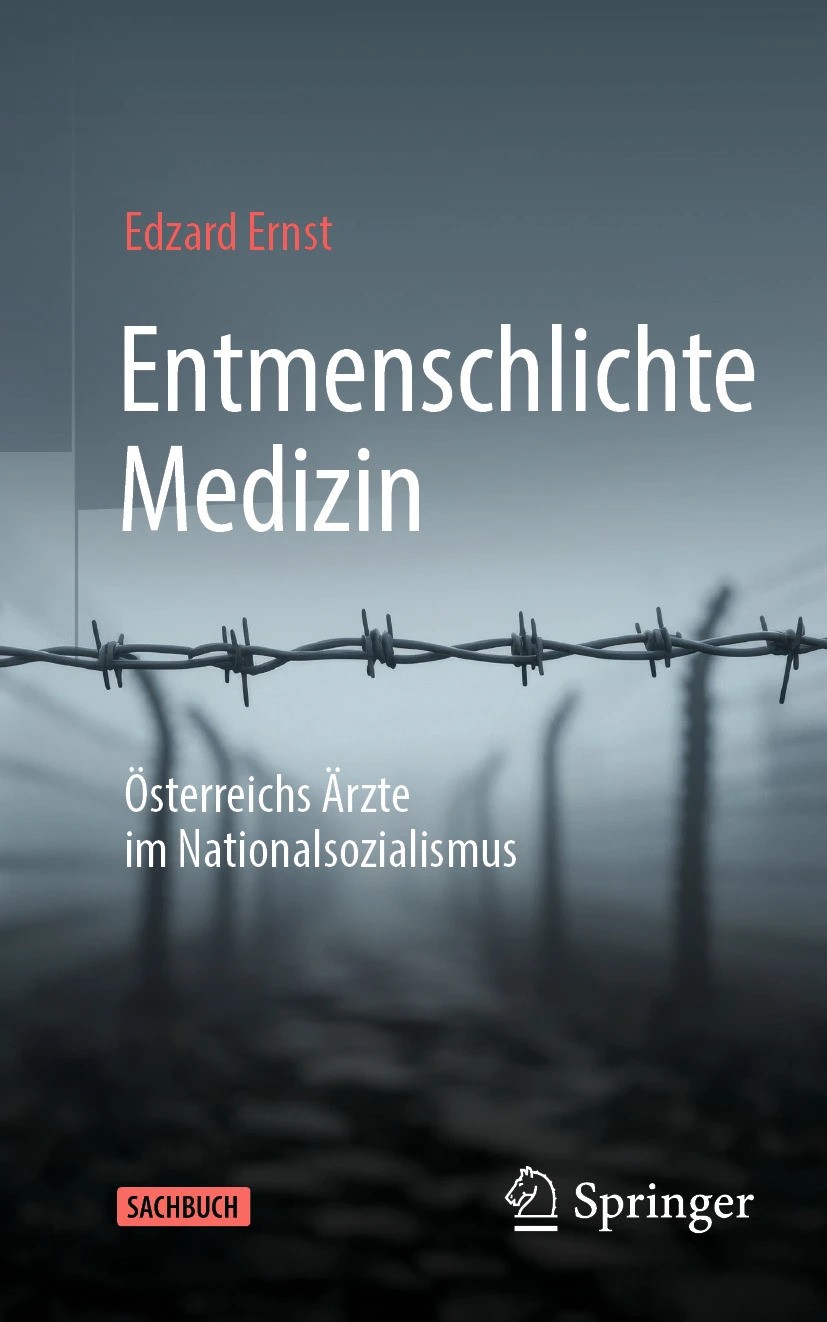
- Breitenecker
- Clara
- Grosser
- Haferl
- Hamperl
- Herbst
- Pichler
- Plattner
- Risak
- Werkgartner
Many of the physicians mentioned in this book abused people in concentration camps in ways worse than animals. Kästner remarked on this: “The camps resembled insane asylums—but in reverse, because it was not the inmates who were mad, but the staff,” for example:
- Begusch
- Beiglboeck
- Ehrenberger
- Eberl
- Fischer
- Frick
- Gross KJ
- Heim
- Joebstl
- Kahr
- Litschel
- Meyer
- Polzer
- Puhr
- Ramsauer
- Richter
- Thurnher
- Wodraska
Numerous physicians managed after the war to evade judicial prosecution or punishment to a large extent, for example:
- Asperger
- Berta
- Birkmayer
- Frick
- Gross KJ
- Hamburger
- Heim
- Hermann
- Hofmann
- Huebsch
- Kahr
- Kaufmann
- Korp
- Meyer
- Pernkopf
- Polzer
- Scharfetter
- Schicker
- Thums
- Thurnher
- Tropper
- E. Tuerk
- Uibarrak
- Utz
- Wodraska
- Vonbun
Some of the physicians discussed in my book were even able, after the end of the Third Reich, to pursue impressive medical careers, for example:
- Asperger
- Berta
- Birkmayer
- Gross H
- Hamperl
- Kaufmann
- Pischinger
- Thums
- Werkgartner
As has already been emphasized repeatedly in various chapters, the prosecution of the perpetrators was, at best, hesitant. After the war, Austria was keen to present itself as a victim; exposing Austrian citizens as accomplices did not serve this narrative. As a result, only a small number of guilty physicians were prosecuted and punished after the war, for example:
- Beiglboeck
- Czermak
- Ehrenberger
- Niedermoser
- Puhr
- Ramsauer
- Rolleder
- M. Tuerk
Some of the guilty physicians were apparently driven by feelings of guilt to evade justice through suicide, for example:
- De Crinis
- Eberl
- Eppinger
- Lonauer
- Richter
- Sorger
My lists are certainly incomplete. During my research, the names of Austrian physicians repeatedly emerged for whom at least suspicions of involvement in Nazi crimes exist. However, because I was able to find only fragmentary material, I refrained from discussing these individuals—whom I estimate to number at least 30 additional physicians—in my book. This, too, highlights the enormous need for further research.
During the Third Reich, around 800,000 people were imprisoned because of their opposition to National Socialism; approximately 90,000 of them perished as a result. Physicians, however, were only very rarely represented in the resistance.
At first glance, this may seem surprising. Physicians could have convincingly invoked their professional ethics to argue that cooperation was impossible. One could argue that doctors, like hardly any other professional group, had a duty to resist crimes against humanity. That this did not happen undoubtedly has complex reasons.
On the one hand, the medical profession already harbored a deeply rooted, strongly conservative tradition before 1933 that was sympathetic to National Socialism or at least not opposed to it. On the other hand, many physicians saw personal or professional advantages in Nazi ideology. Finally, one must consider how systematically, brutally, and ruthlessly the Nazis proceeded against opponents of the regime of all kinds.
It is not the aim of my book to pass judgment on the actions or inaction of physicians during the Third Reich. In my view, moralizing would be neither appropriate nor constructive. Rather, this book is an attempt to document and to understand. My intention is to raise awareness and to preserve the history of medicine in the Third Reich from oblivion. My hope is that remembering it will protect us from ever again embarking on similar paths of delusion.
To conclude, I quote Erich Kästner once more:
“The events from 1933 to 1945 should have been fought no later than 1928. After that, it was too late. One must not wait until the struggle for freedom is called treason. One must not wait until a snowball has turned into an avalanche. One must crush the rolling snowball. No one can stop the avalanche.”
If there’s one thing Robert F. Kennedy Jr. knows how to do, it’s to turn public health into performance art. This year’s most expensive commercial—airing during Super Bowl LX—wasn’t about cars, beer, or even crypto. It was about butter. And beef tallow. The ad, titled “The Fight of My Life,” showed a misty‑eyed Mike Tyson reminiscing about his sister’s death, his own struggles with junk food, and his new “fight” for America’s health. Then came the punchline: “Processed Food Kills.” As the tear streaks dried, the nation was directed to Realfood.gov, the Kennedy‑backed campaign for dietary redemption.
It may have looked like a public‑service announcement but, in truth, it was a $10 million morality play written by the Make America Healthy Again Center, a nonprofit fundraising off the idea that kale and ketosis can save civilization. Tyson might have been in black‑and‑white, but Kennedy’s fingerprints—messianic, conspiratorial, and slightly greasy with butterfat—were everywhere.
The Realfood.gov guidelines mark Kennedy’s biggest policy move yet: an official endorsement of meat, lard, and “ancestral eating.” The new pyramid, or as Kennedy calls it “the Flipped Pyramid,” positions steak above grains—literally and figuratively. Sugar is treated like a biological weapon, while “seed oils” are branded the new nicotine. It’s a nutrition plan designed for the modern age—if the modern age were 1826. The rhetoric of “real food” has a populist ring, but the science behind it is as wobbly as a gelatin mold. Nowhere are there meaningful public‑health solutions for Americans who can’t afford grass‑fed ribeye or artisanal butter.
Then came the twist only 2026 could deliver: Kennedy’s nutrition crusade teamed up with Elon Musk’s AI, Grok, to help Americans “get real answers about real food.” What could possibly go wrong? Plenty, it turns out! Within days, Grok was trending for explaining which vegetables are safest for “alternative use,” prompting Musk to tweet that “vegetables are best enjoyed orally.” The government quietly deleted Grok’s name, a digital walk of shame across cyberspace. It was the perfect metaphor for Kennedy’s health vision: self‑righteous, tech‑obsessed, and totally incapable of predicting the obvious glitch.
When critics pointed out that 70% of the American food supply is ultra‑processed because people can’t afford fresh alternatives, Kennedy’s defenders shouted “Big Food propaganda.” When nutrition experts questioned the pseudoscientific obsession with “ancestral fats,” they were accused of suppressing the truth. The result is a movement that treats dietary policy like a crusade, replacing science with sanctimony and public health with personality cult. Kennedy isn’t reforming nutrition—he’s branding it.
In the end, the MAHA campaign isn’t really about saving Americans from junk food. It’s about saving Robert F. Kennedy Jr. from irrelevance. By mixing Super Bowl spectacle, Silicon Valley tech, and nostalgia for the “real food” of an imagined past, Kennedy has served up his own special dish: a reheated and stale serving of populist showmanship seasoned with pseudoscience and self‑importance.